What Is MOQ? Minimum Order Quantities in Custom Sportswear, Explained
Quick answer
MOQ means minimum order quantity — the smallest number of pieces a factory will produce in one order for a given style. Factories set MOQs because fabric is bought in rolls, machines are set up per design, and cutting one style for 20 pieces costs nearly as much labour as cutting it for 200. At Alisterz, many team-uniform styles start from 100 pieces and some start at 500, depending on the fabric and construction. The rest of this page explains how MOQs actually work, so you can plan an order that fits your real needs instead of fighting the number.
Why factories set an MOQ at all
Buyers sometimes assume MOQ is a sales tactic. From the factory floor, it is arithmetic. Three real costs sit behind every style you order:
Fabric comes in rolls, not metres. Dyers and fabric mills sell by the roll or by minimum dye lots. If your design uses a custom colour, that colour has to be dyed — and a dye lot sized for 30 shirts leaves most of a roll unused. Standard colours and fabrics carry lower MOQs because the fabric already exists.
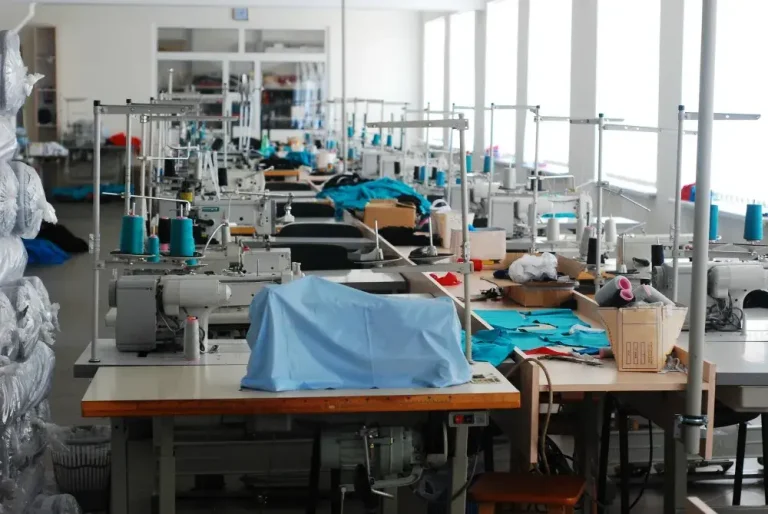
Setup is fixed, whether you order 20 pieces or 2,000. Patterns are made, screens or sublimation files are prepared, machines are threaded and adjusted, and a sample is sewn and checked. That work takes the same hours for a tiny order as for a large one. Spread over 500 pieces it is cents per piece; spread over 20 it would double the price.
Cutting is done in layers. Fabric is laid and cut in stacks for efficiency. Very small runs break that efficiency and push the per-piece cost up for everyone, including you.
A factory that accepts any quantity at the same price is either charging you for the inefficiency somewhere you cannot see, or cutting a corner you will find later. An honest MOQ, quoted up front, is the better sign.
The three kinds of MOQ (this is where buyers get caught)
When a factory says “MOQ 100 pieces”, ask 100 of what? There are three different minimums, and they are often confused:
| Type | What it means | Example |
|---|---|---|
| Per style | 100 pieces of one garment design, total | 100 soccer jerseys across all sizes |
| Per colour | 100 pieces in each colourway | Home kit 100 + away kit 100 = 200 total |
| Per size | Rare for teamwear, common in some retail production | 100 pieces in every single size |
At Alisterz, MOQs are normally discussed per style, with colourways clarified in the quote. Sizes inside a style are flexible — a 100-piece team order naturally splits across S to 2XL and a roster of names. Always confirm which type a quote refers to before comparing two factories’ numbers; a “lower MOQ” that turns out to be per-colour-per-size is not lower at all.
What MOQs look like in practice
MOQ depends on the product and how it is decorated:
Team uniforms (soccer, basketball, rugby, etc.): many styles start from 100 pieces at Alisterz; some styles start at 500, particularly where fabric or construction is specialised. Sublimated designs often carry friendlier minimums because there is no screen setup per colour.
Hoodies and fleece: usually straightforward minimums, but embroidery vs print and custom colours can change the picture — see the hoodies range for the styles involved.
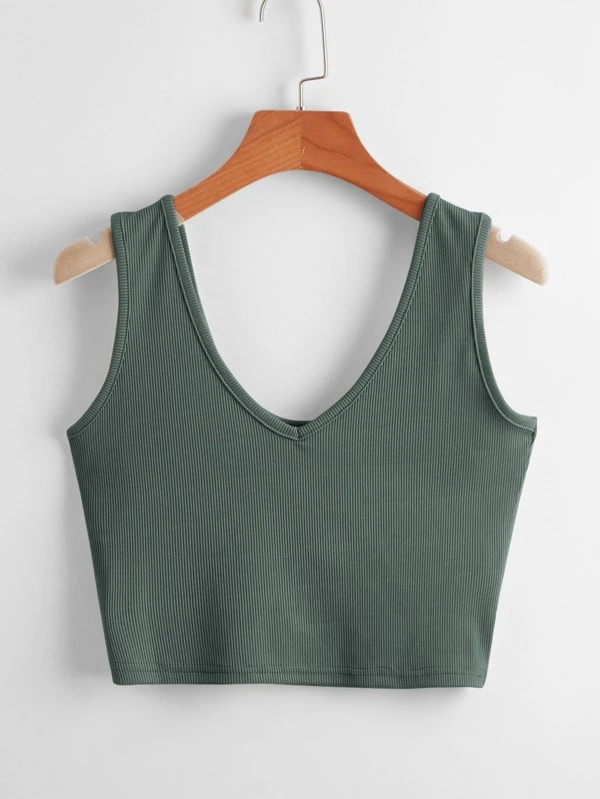
Fitness and yoga wear: fabric with spandex and custom colours can push minimums up, because the fabric itself has a dye minimum — relevant if you are planning a private-label launch from the women’s fitness wear range.
Screen-printed designs: each design needs screens, so very small runs per design are the hardest to make economical. Sublimation or embroidery may suit a smaller first order better.
The only way to get an exact figure for your design is a quote — which is free and carries no obligation. Anyone who gives you a precise MOQ without seeing your design is guessing.
MOQ and price: the tier connection
MOQ is the floor. Above it, pricing is tiered: unit price falls as quantity rises. An order at 100 pieces might sit at one price, 300 at a lower one, 500 and 1,000 lower again. This is why “just above the MOQ” is often the most expensive way to buy per piece — if your budget and storage allow, stepping up one tier frequently saves more than it costs. We show the tiers in the quote so you can make that call with real numbers, not pressure.
If you are planning a season’s worth of kits, one larger order almost always beats two small ones: one setup, one freight bill, one consistent dye batch. Colours matching between two separate production runs is achievable, but a single run is identical by definition.
Practical ways to work with an MOQ
Consolidate colours. Two colourways at 60 pieces each may both fail a per-colour minimum, while one colourway at 120 succeeds. Home kit this season, away kit next order.
Stay on standard fabrics. A stock fabric in a standard colour removes the dye-lot minimum — the biggest single MOQ driver. Custom fabric is for when volume justifies it.
Combine the squad. Order senior and youth teams in the same style and run: quantities pool toward the style MOQ while sizes stay separate.
Use the sample properly. A free pre-production sample is available before bulk production. The sample is one piece, made first, so you can approve fabric and fit before the MOQ-sized run exists. Never let a factory talk you out of the sample stage to “speed things up”.
Plan reorders. First orders carry setup. Reorders of the same design are simpler and faster, because patterns and files already exist — worth knowing if you are testing a design before committing to volume.
MOQ is not the same as “minimum spend” or a sample fee
Two confusions worth clearing up. First, MOQ is about production quantity, not a minimum invoice value — though naturally the two are related. Second, a sample is not part of the MOQ: it is a single approval piece produced before the bulk run, and at Alisterz a free sample is available. If a supplier charges a large “sample fee” and also demands a high MOQ and also cannot explain either, treat that as information about how they work.
A worked example (no prices, just the logic)
Say you coach or supply three squads and want 40 kits each — 120 in total. Against a style MOQ of 100 pieces, that order works as one run: one design, one fabric, sizes and names split three ways. Now change one detail: each squad wants its own distinct colourway, and the quote is per-colour. Suddenly it is three runs of 40 against a per-colour minimum — a different conversation, solved either by raising each colourway, consolidating to two colourways, or choosing a decoration route with a friendlier setup. Neither answer is “wrong”; what matters is that the structure is explained to you before you pay anything, in writing, so the order you place is the order you think you placed.
Five questions to ask any factory about their MOQ
- Is the MOQ per style, per colour, or per size?
- Does it change if I use a stock fabric instead of a custom colour?
- What are the price tiers above the MOQ — at 300, 500, 1,000 pieces?
- Is a pre-production sample included, and does it count toward the quantity?
- Are reorders of the same design treated differently from first orders?
A factory that answers all five clearly is a factory that understands its own production. Vague answers at this stage become expensive answers later.
Frequently asked questions
Can I order below the MOQ if I pay more per piece? Sometimes, for some styles — the honest answer depends on where the minimum comes from. If it is setup cost, a surcharge can cover it. If it is a fabric dye lot, no surcharge makes a small dye run physically sensible. Ask, and expect the factory to explain which case you are in.
Does the MOQ apply to each size? Not at Alisterz for teamwear. MOQ is normally per style, and your quantity splits across sizes however your roster needs. Always confirm the MOQ type (per style, per colour, per size) on any quote you compare.
Why do two factories quote me different MOQs for the same product? Because their fabric sources, machinery and order books differ — and because one may be quoting per style while the other quotes per colour. Different MOQs are normal; unexplained MOQs are the warning sign.
Can I mix products to reach an MOQ — say, 50 jerseys and 50 hoodies? Generally MOQ applies per style, so mixing different garments does not pool. What does pool: same style, same fabric, different sizes and player names. If your situation is unusual, describe it in the enquiry — factories can sometimes structure an order creatively when they see the full picture.
Is a higher MOQ a sign of a better factory? No. It is a sign of a different production setup. Large factories optimise for volume; smaller, flexible manufacturers (including us) build their process around lower minimums for teams and growing brands. The right question is whether the MOQ fits your actual order — and whether the factory explains it clearly.
How do I find out the exact MOQ for my design? Send the design and approximate quantity through the Request a Quote page. The quote comes back with the exact MOQ for your style, tiered pricing above it, and sample and production timelines — 15–20 days for bulk production once a sample is approved.
Not sure if your quantity works? Ask before you assume
Plenty of orders that look “too small” on paper work fine once the style and fabric are chosen sensibly — and plenty of buyers waste weeks assuming the opposite. Send your design and the quantity you actually need via the Request a Quote page and we will tell you straight: the exact MOQ, the tier prices above it, and if your quantity is under the minimum, what adjustment would make the order work. You can also browse the shop to see the styles involved, or read how ordering works step by step for the full process.