Sublimation vs Embroidery vs Screen Print: Which Decoration Is Right for Your Kit?
Quick answer
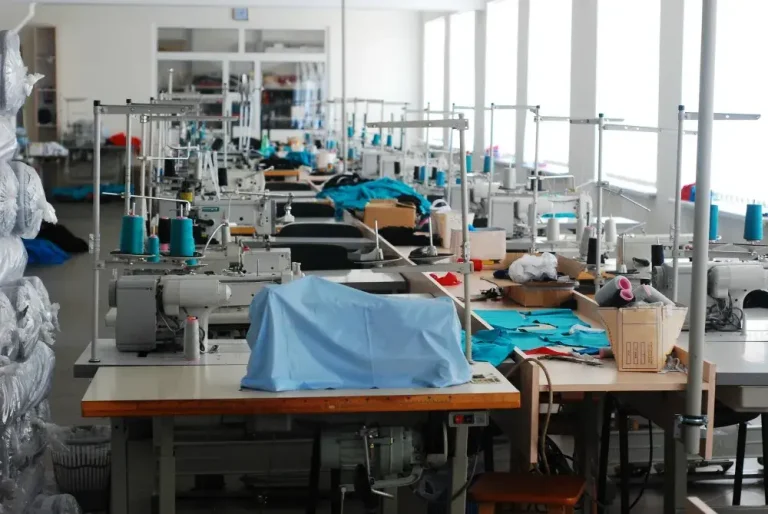
Choose sublimation when the design covers the whole garment — full-colour team kits, gradients, patterns, names and numbers built into the fabric. Choose embroidery when the logo needs to look premium and outlast the garment — polos, hoodies, jackets and caps. Choose screen print when the design is simple, the colours are few and the quantity is large — basic tees and training tops in bulk. Everything else in this post is the detail behind those three sentences, from the factory floor that runs all three methods every week.
The comparison table
| Sublimation | Embroidery | Screen print | |
|---|---|---|---|
| How it works | Design is printed on transfer paper, then heat-pressed so the ink becomes part of the polyester fabric itself | Thread is stitched through the fabric by machine, following a digitised version of your logo | Ink is pushed through a mesh screen — one screen per colour — onto the garment surface |
| Best for | Soccer and basketball kits, full-coverage designs, gradients, photos, names/numbers | Chest logos on polos and hoodies, jackets, caps, workwear, premium brand marks | Simple 1–3 colour designs, large runs of tees and training tops, event shirts |
| Fabric limits | Polyester only — the ink needs polyester to bond. Does not work on cotton | Almost any fabric, but very thin or stretchy fabric can pucker under dense stitching | Cotton, polyester and blends all fine |
| Design limits | None on colours or detail — if you can draw it, it can be sublimated | No gradients, no tiny text, no photographic detail; thread colours are matched approximately, not exactly | Each colour adds a screen and cost; fine detail and gradients are difficult |
| Durability | Cannot crack, peel or fade out of the fabric — the print IS the fabric. Lasts the life of the garment | Extremely durable; thread can outlast the garment. Heavy designs can distort light fabrics over time | Good, but the ink layer sits on the surface — heavy washing over years can crack it |
| Cost behaviour | Same price whether your design has 2 colours or 20. Cost per piece is stable from the MOQ upward | Priced by stitch count: a small chest logo is cheap, a huge back design is not. Small logos = best value | Setup cost per screen, then very low per-piece cost — gets cheaper fast as quantity rises |
| Feel on the garment | Zero feel — nothing sits on top of the fabric, so breathability is unchanged | Raised, textured, slightly stiff on the stitched area | Slight surface feel, more noticeable on large solid areas |
Sublimation: when the design is the garment
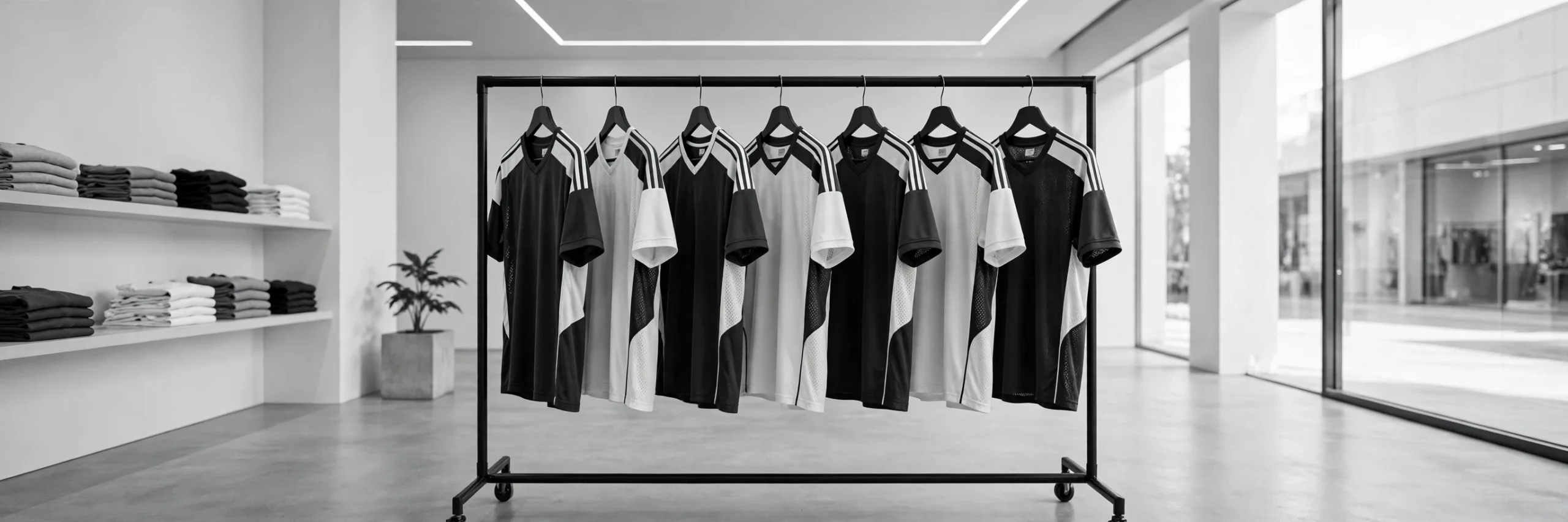
Sublimation is how most modern team kits are made, and it is the default method behind our custom soccer uniforms. The design — every panel, stripe, sponsor logo, name and number — is printed flat and pressed into the polyester before the garment is sewn. Because the ink bonds inside the fibres rather than sitting on top, it cannot crack in the wash, peel at the edges or block the fabric’s breathability.
Pick sublimation when:
- Your kit has a design that wraps around the garment (side panels, sleeves, fade effects)
- Every player’s shirt is different (names, numbers, sizes)
- You want unlimited colours at no extra cost per colour
- The garment is a polyester performance fabric
Respect its two real limits. First, it only works on polyester — a cotton hoodie cannot be sublimated. Second, sublimation ink is transparent, so it is printed on white or light base fabric; a “black kit” is white fabric printed black, which is normal and looks identical, but true dark-base fabrics cannot take a light design this way.
Embroidery: when the logo has to look expensive
Embroidery is stitched thread, and the eye reads it as quality. A 3-inch embroidered crest on a polo shirt or hoodie chest signals “established club” or “serious brand” in a way no print does. It is also the most wash-proof decoration there is — the thread is physically anchored through the fabric.
Pick embroidery when:
- The logo is small-to-medium (chest, sleeve, cap front)
- The garment is a polo, hoodie, tracksuit jacket, cap or thicker fabric
- You want a premium retail finish for a brand
Respect its limits too. Your logo must be digitised — converted into a stitch file — and that process simplifies it: very small text disappears, gradients become blocks, and fine lines thicken. Embroidery is priced by stitch count, so size matters: doubling the logo’s width roughly quadruples its area, its stitches and its cost. And on very thin, stretchy fabrics, a dense embroidered patch can pucker the cloth around it. For leggings and lightweight fitness tops, a printed or heat-applied logo is usually the smarter choice.
Screen print: the volume method
Screen printing is the oldest of the three and still the cheapest way to decorate a simple design at real volume. Each colour in your design gets its own screen, ink is pushed through onto the garment, and the screens are reused across the whole run. That is why the economics flip with quantity: the setup cost is fixed, so at 500 pieces it nearly disappears per unit, while at 50 pieces it dominates.
Pick screen print when:
- The design is 1–3 solid colours with no gradients
- The quantity is large and every piece is identical
- The garment is a tee, training top or hoodie where a slight print feel is acceptable
Avoid it for personalised work. Twenty shirts with twenty different names means twenty setups — that is a sublimation job. Also know that the ink sits on the surface: it is durable, but after years of hot washing a large print can crack. For a two-season team kit that matters less; for a brand selling at retail, it is worth thinking about.
Which method for which product?
| Product | Usually the right method | Why |
|---|---|---|
| Soccer / football kits | Sublimation | Full design, names and numbers, zero cracking |
| Basketball uniforms | Sublimation | Same reasons, plus reversible sets print both sides |
| American football uniforms | Sublimation, or tackle twill for a traditional look | Durability under contact; twill is sewn-on lettering, a different process — ask us |
| Polo shirts | Embroidery | The stitched crest is the whole point of a polo |
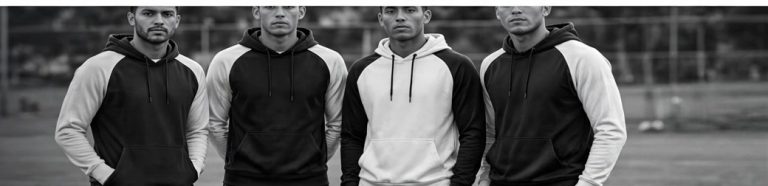
| Hoodies | Embroidery for the logo, screen print for big chest art | Small logo = stitch it; large simple graphic = print it |
| T-shirts | Screen print (bulk, simple) or sublimation (all-over) | Quantity and design decide |
| Tracksuits | Embroidery on the jacket, print or embroidery on pants | Matches how buyers expect a set to look |
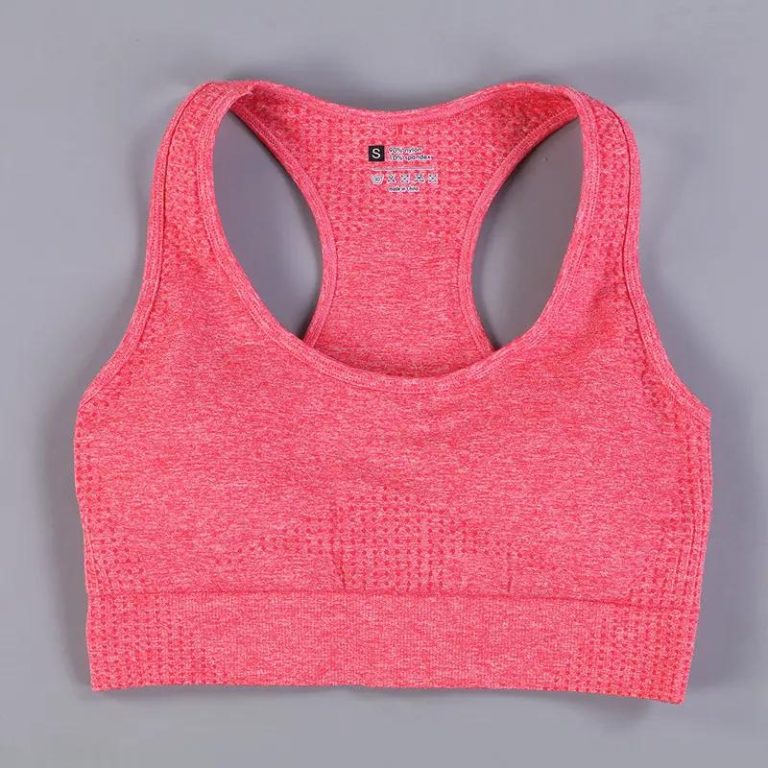
| Fitness and yoga wear | Printed logos, minimal decoration | Embroidery puckers thin stretch fabric; surface logos stay light |
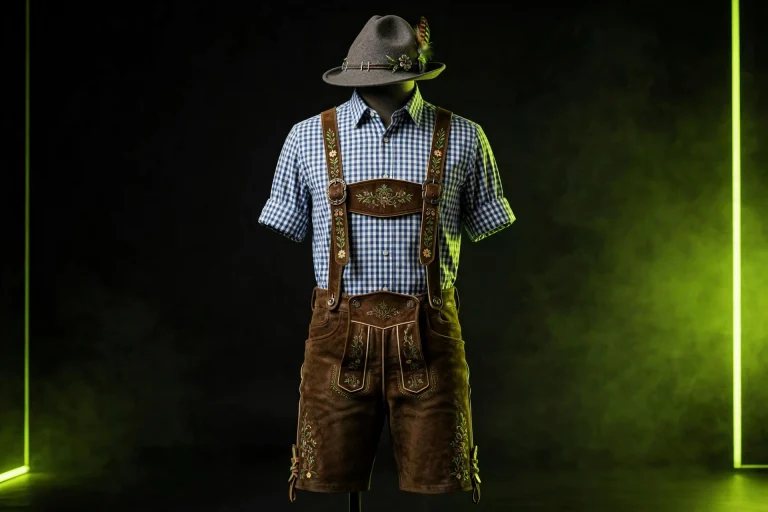
| Kilts and traditional wear | Neither, usually | Decoration is woven into the cloth itself, not applied |
Can you combine methods on one garment?
Yes, and good kits often do. A sublimated soccer shirt with an embroidered-feel crest is not possible — embroidery on top of sublimated polyester works, but most clubs simply sublimate the crest as part of the design, because at playing distance it looks the same and never snags. The common real-world combinations are a screen-printed body design with an embroidered sleeve logo on a hoodie, or embroidered branding on a tracksuit jacket with printed training tees in the same order. Tell us the look you want and we will tell you honestly which combination gets you there — including when the cheaper method is the one you cannot tell apart.
One more thing buyers ask about: names and numbers. On sublimated kits they are part of the print, so there is no extra per-name charge logic and no peeling vinyl letters later. On screen-printed shirts, personalisation is where costs climb, because each name breaks the “every piece identical” rule that makes screen print cheap. If your order is personalised, sublimation usually wins on total price even when the base garment costs more. That is the kind of trade-off we spell out in the quote rather than after it.
Frequently asked questions
Which decoration lasts longest?
Sublimation and embroidery both effectively last the life of the garment — sublimation because the ink is inside the fabric, embroidery because the thread is stitched through it. Screen print is durable but is a surface layer, so it is the first of the three to show wear after years of washing.
Which is cheapest for 100 team shirts?
If every shirt carries a different name and number, sublimation — personalisation costs nothing extra. If all 100 shirts are identical with a simple 1–2 colour design, screen print usually prices lower. Send us the design and we will price the methods side by side; that comparison is free.
Can I embroider a logo on a sublimated soccer kit?
You can, but you almost never should. The crest sublimated into the fabric looks the same from any normal distance, adds no weight or stiffness, and cannot catch or pull. Embroidery on thin match polyester can pucker the panel around the badge.
Why did my logo come back “simplified” for embroidery?
Because thread is not ink. Digitising converts your artwork into stitches, and stitches cannot do hairline text, fades or tiny detail. A good digitiser keeps everything that matters and drops what thread physically cannot do — we show you the stitch mockup before production so there are no surprises.
Does sublimation work on dark or cotton garments?
No. Sublimation needs polyester, and because the ink is transparent it starts from white/light fabric — a black kit is printed black onto white polyester, which is standard across the industry. For cotton garments, choose embroidery or screen print.
What file should I send for each method?
Vector artwork (AI, EPS or PDF) is best for all three. For embroidery it will be converted to a stitch file; for sublimation it scales to full garment panels without quality loss; for screen print it separates cleanly into colours. A high-resolution PNG can work — read our note in the bulk ordering guide about sending artwork with your first message.
Send us the design — we will tell you the method
If you are between methods, do not guess: send the artwork with your quote request and we will recommend one, with the price difference in writing. Start on the Request a Quote page, browse the shop for the garment you have in mind, and if minimums are your first question, our MOQ guide explains how quantities work before you commit to anything.