Why Sialkot, Pakistan Makes So Much of the World’s Sportswear
Quick answer
Sialkot makes so much of the world’s sportswear for the same reason a handful of cities dominate any craft industry: the skills, the suppliers and the supporting trades all grew up in one place, over generations, until the whole production chain existed within a few kilometres. The city in Punjab, Pakistan, is best known worldwide for hand-stitched footballs and surgical instruments; custom sportswear — team uniforms, activewear, gloves — grew out of the same stitching culture. For a buyer, the practical meaning is this: in Sialkot, fabric sourcing, sublimation printing, embroidery, stitching and export packing are not separate industries in separate cities. They are neighbours. That density is why a manufacturer like Alisterz can run a sample in 5–7 days and bulk production in 15–20 days from here, and ship worldwide by DHL, FedEx or sea.
Sialkot at a glance
| Best known for | Hand-stitched footballs — the city is a long-standing centre of football production, including balls made for top-level tournaments |
| Also known for | Surgical instruments, leather goods and gloves, sportswear and team uniforms |
| Industry structure | A dense cluster: factories, specialist workshops, fabric and trim suppliers, printing and embroidery units, freight and export services in one city |
| Skill base | Stitching and garment craft passed down and scaled over generations |
| What buyers get | The full production chain in one place, competitive tiered pricing, export routines that run daily |
It started with stitching, not with sportswear
Sialkot’s reputation was built on work that punishes sloppy stitching. A hand-stitched football is dozens of panels joined by hand, seam after seam, and it either holds its shape under professional use or it does not. Surgical instruments demand the same character in metal: precision work, checked closely, made for export markets that reject careless product. Leather goods and gloves added a third stream of cut-and-sew craft.
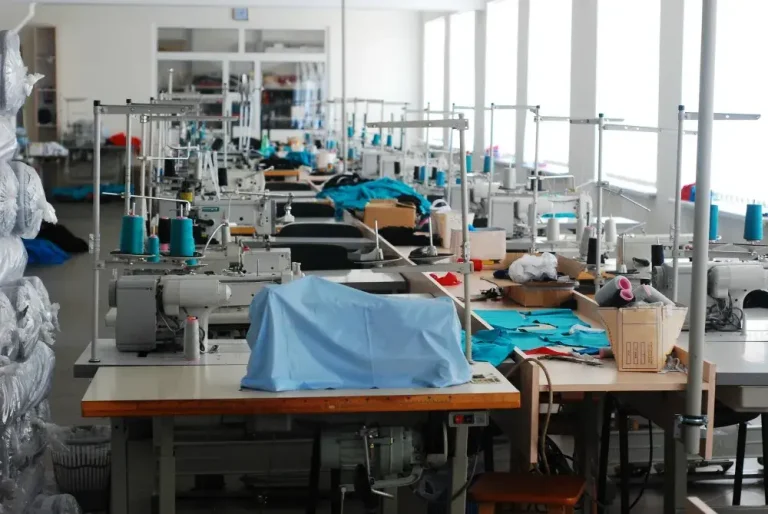
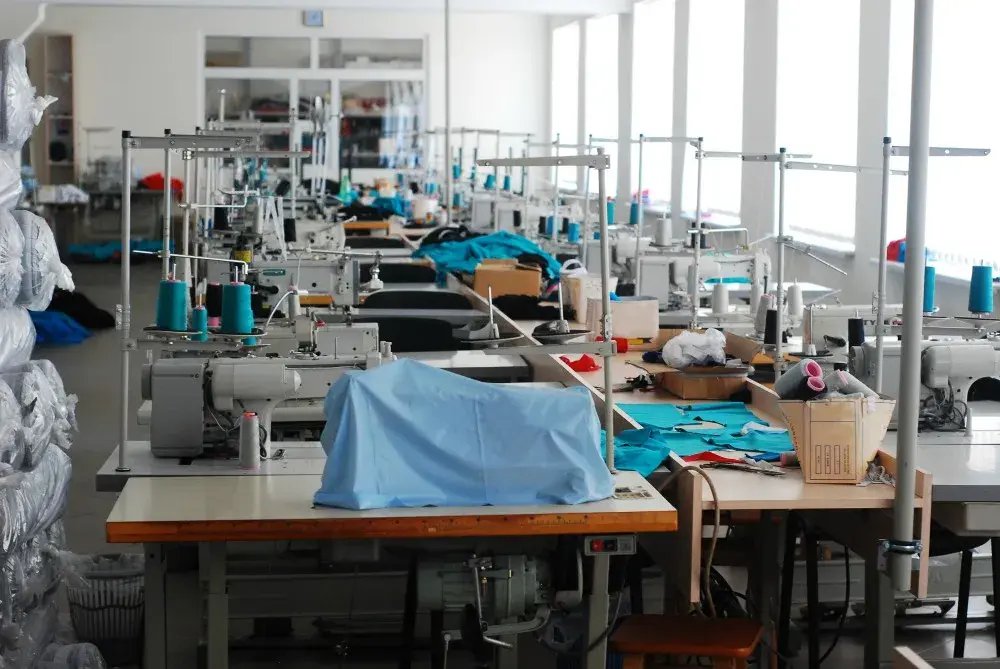
Sportswear grew naturally out of that base. A city full of people who can cut panels accurately and stitch them to survive hard use does not need to import the core skill when the product changes from a football to a football kit. What it needed — and built — was the surrounding layer: knitted fabric suppliers, sublimation printing units, computerised embroidery, and packing and freight services that understood export orders. Once that layer existed, the cluster fed itself: each new unit made every neighbouring factory more capable.
Why a cluster matters to you, the buyer
Buyers often treat a factory’s location as trivia. It is not — the cluster around a factory shapes your order in four concrete ways:
Every stage is available locally. On a typical Alisterz order, the chain runs fabric sourcing, printing or embroidery, cutting, stitching, finishing and packing. In a cluster city, a specialised stage is a short trip across town, not a shipment to another province with days of transit and a hand-off you cannot see. Fewer hand-offs means fewer places for a delay or a mismatch to hide.
The skill pool is deep. When stitching is a city’s trade, experienced machinists, pattern makers and printing technicians are a normal hire, not a lucky one. That shows up in the garments: reinforced seams on a rugby kit and fine stitch density on an embroidered crest are the same underlying asset — people who have done this work for years.
Competition keeps pricing honest. A buyer getting quotes from Sialkot is quoting into a market where many factories want the order and price against each other. That is one reason tiered wholesale pricing from this city is hard for isolated factories elsewhere to match at the same construction quality — the local cost structure and the local competition point the same way.
Export is routine, not an event. Sialkot factories ship abroad as their normal business: export packing, carton marking, documentation and courier and freight relationships are daily operations. For a first-time importer, that routine matters — it is the difference between a factory learning export paperwork on your order and one that did it three times this week. Our quality control guide covers the inspection side of that routine.
The cluster today: one city, whole orders
The practical shape of the cluster today is that a complete export order never has to leave the city. A private-label range can have its fabric sourced from local suppliers, its garments printed and embroidered in specialist units, its woven labels and packaging produced nearby, and its cartons collected by the same freight forwarders who handle the city’s football and instrument shipments. For the factory, that means production stages are managed by people who work together every week. For the buyer, it means the timeline quoted — sample in 5–7 days, bulk in 15–20 days — is built on short, familiar supply lines rather than best-case guesses about distant suppliers.
The honest other side: a cluster is not a guarantee
Everything above is also true of the weakest supplier in the city. Sialkot contains excellent factories, ordinary ones, and trading companies that sew nothing at all. The cluster gives a good factory its advantages; it does not transfer those advantages to every address in the city.
So the location argument should never replace the normal checks. Ask whether you are dealing with a factory or a trader. Insist on a pre-production sample — at Alisterz it takes 5–7 days and a free sample is available — and judge the physical garment, not the city it came from. Confirm MOQs per style (many of ours start from 100 pieces, some at 500), get tiered pricing and payment terms in writing with the quote, and agree what happens if bulk does not match the approved sample. Our manufacturer selection checklist lists all fifteen questions, and they apply to Sialkot suppliers exactly as much as to anyone else — including us.
What Alisterz makes here
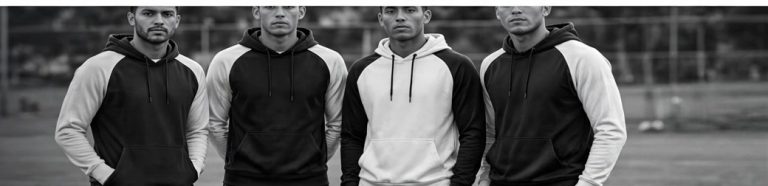
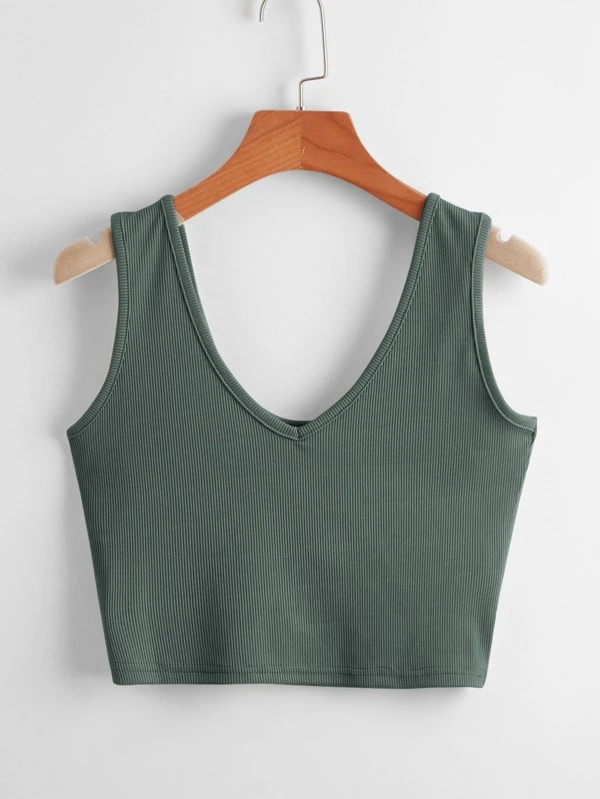
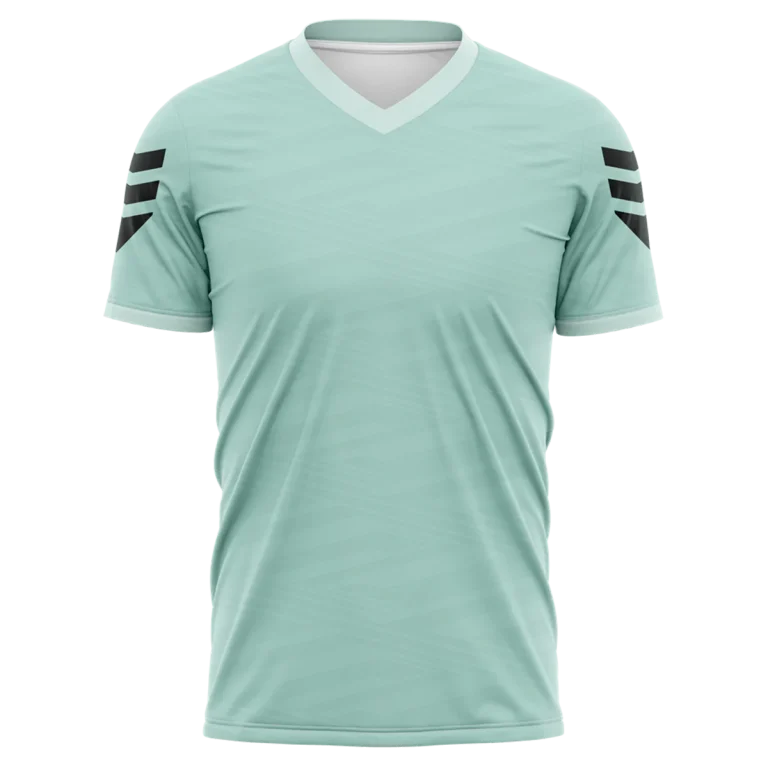
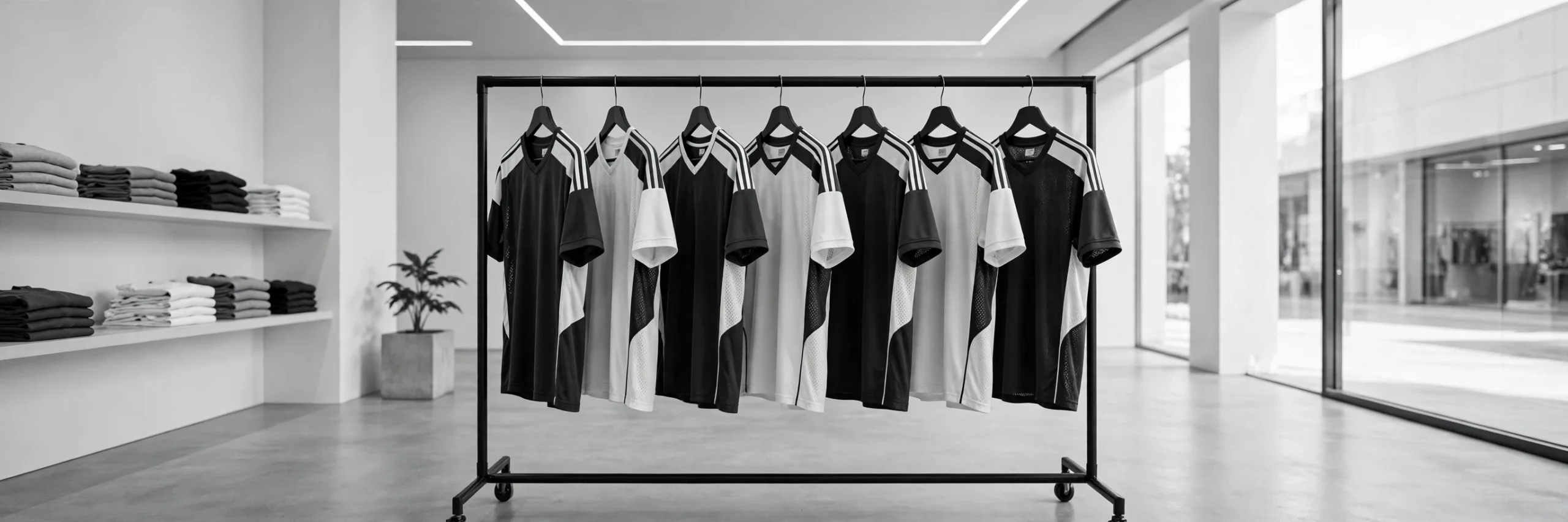
Alisterz manufactures custom sportswear in Sialkot for wholesale buyers: team uniforms across soccer, basketball, American football and more, hoodies, tracksuits, women’s fitness wear and private-label ranges with your labels, hang tags and packaging applied during production. Standard terms are the ones stated throughout this site: pre-production sample in 5–7 days, bulk production in 15–20 days after sample approval, tiered pricing that falls as quantity rises, and worldwide shipping by DHL/FedEx air (roughly 4–7 days to most destinations) or sea freight for large planned orders.
Frequently asked questions
Why is Sialkot so dominant in footballs and sportswear? Because the supporting trades grew up together. Hand-stitched football production built a deep stitching skill base; surgical instruments and leather goods reinforced the precision-craft culture; and fabric, printing, embroidery and export services clustered around them. A sportswear factory there starts with every stage of production already present in its own city.
Is sportswear from Sialkot good quality? The city produces a wide range — which is exactly why the answer depends on the factory, not the postcode. Judge the pre-production sample: fabric in hand, seams pulled, logo work inspected, one wash done. A factory confident in its quality will put that sample in your hands before bulk; at Alisterz a free sample is available.
Are Sialkot factories manufacturers or traders? Both exist, sometimes behind similar websites. Ask directly, and ask what is made in-house and what is sent out. An honest supplier answers plainly either way — the red flag is a supplier who will not say.
Why are prices from Sialkot competitive? A local cost structure built for export manufacturing, plus real competition between factories in the same cluster. The mechanism that should interest you is tiered pricing: unit cost falls as quantity rises, because fabric buying and machine setup spread across more pieces. If a quote is a single flat price at every quantity, ask why.
How does shipping work from Sialkot to my country? Air freight by DHL or FedEx lands in roughly 4–7 days to most destinations and suits season-driven orders; sea freight takes several weeks and suits large, planned volumes. Your quote should show the freight options openly rather than burying them.
How do I start an order with a Sialkot manufacturer? The same way as anywhere: send your design, quantities, size breakdown, logo files and deadline, get a quote and mockup, approve a physical sample, then bulk production runs. Our step-by-step ordering guide walks the whole flow, and our quote checklist lists the seven things that make the first reply fast and accurate.
Buy from the cluster — and check like it isn’t one
Sialkot’s density of skill is a real advantage, and it is the water we swim in. It is not a substitute for a sample, a written quote and an agreed standard. Send your design and quantities through the Request a Quote page, hold the reply up against the checks in this post, and judge us on the garment we put in your hands. The ranges we produce are in the full shop and the men’s range.