
Best Fabrics for Team Uniforms: GSM, Interlock, Mesh and Moisture-Wicking Explained
Quick answer
For most team jerseys — soccer above all — the standard spec is interlock polyester at 140–160 GSM: smooth on both sides, heavy enough to hold its shape and take sublimation cleanly, light enough to play a full match in. Mesh panels go where heat builds up. Heavier or reinforced fabric belongs to contact sports like rugby and American football; stretch blends belong to fitness wear. The mistake buyers make is treating fabric as a photo decision (“that one looks shiny”) instead of a written spec. GSM, knit structure and fibre content are three lines in your order — and they decide how the kit feels, prints, washes and lasts. This post explains each one in buyer language, and gives you the exact spec wording to copy into your next enquiry.
The spec summary
| Fabric call | Standard spec | Used for |
|---|---|---|
| Main jersey body | Interlock polyester, 140–160 GSM | Soccer, basketball and most team jerseys |
| Ventilation panels | Polyester mesh, lighter GSM | Underarms, back and side panels in hot climates |
| Contact-sport kits | Heavier interlock with reinforced stitching | Rugby, American football |
| Training and practice wear | Lighter interlock or mesh | High-laundering, budget-sensitive runs |
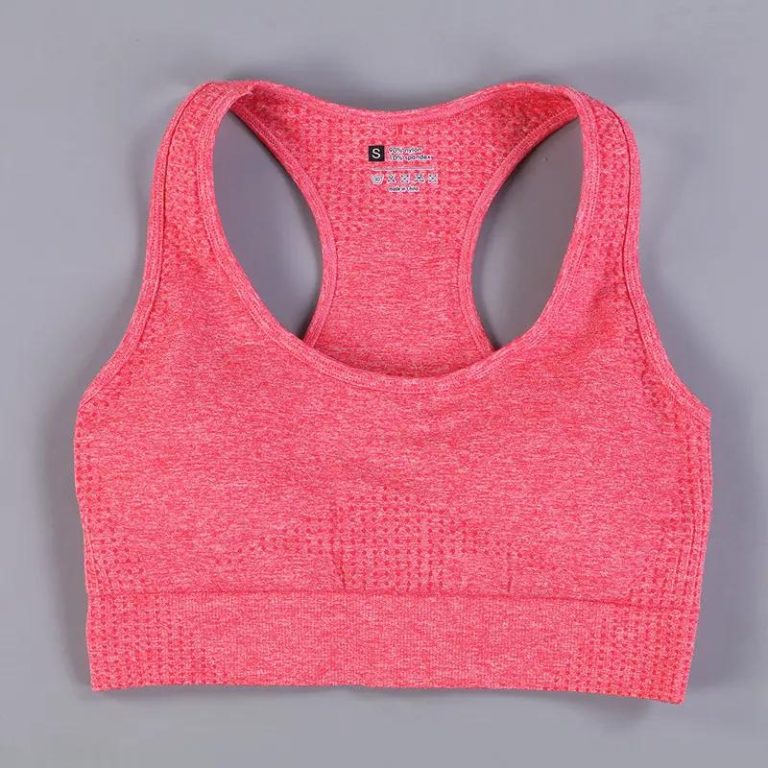
| Fitness wear | Nylon/spandex or polyester/spandex stretch blends | Leggings, bras, fitted tops |
| Hoodies and warm-ups | Fleece in your chosen weight | Tracksuits, hoodies, team travel wear |
GSM: the weight number, explained once
GSM means grams per square metre — how much a square metre of the fabric weighs. It is the closest thing fabric has to a spec-sheet number, and two jerseys described with the same words (“lightweight polyester”) can be 30 GSM apart and feel completely different.
- Below ~140 GSM: very light. Fine for training bibs and hot-weather practice wear; on a match jersey it can feel thin, show what is underneath, and wear faster.
- 140–160 GSM: the working standard for team jerseys. Enough body to hang properly, hold a print and survive a season of washing; light enough for summer play. When a competitor’s spec sheet says “140–160 GSM interlock” — as the standard-setters in our market do — this is the range they mean.
- Above ~180 GSM: heavier territory. Right for rugby and contact kits where the garment is grabbed and pulled, and for winter-weight garments. On a summer soccer jersey, it is weight and heat nobody asked for.
GSM is a range decision, not a bigger-is-better decision. Spec the weight the sport needs — our cost breakdown post shows how fabric weight flows into the unit price, because heavier fabric is literally more material per garment.
Interlock, single jersey and mesh: the knit decides the feel
GSM tells you the weight. The knit tells you almost everything else.
Interlock is a double-knit structure: smooth on both faces, stable, with very little curl at the edges. That stability is why it is the standard jersey fabric — it takes sublimation printing evenly, holds its shape across a size run, and feels substantial without being heavy. If a quote just says “polyester”, interlock at 140–160 GSM is the spec to ask for by name.
Single jersey is the lighter, simpler knit used in T-shirts. It is cheaper and cooler but curls at cut edges, can feel thin at the same GSM, and shows print and body contours more. It has its place in casual and fan wear; for a playing kit, interlock is normally the better buy.
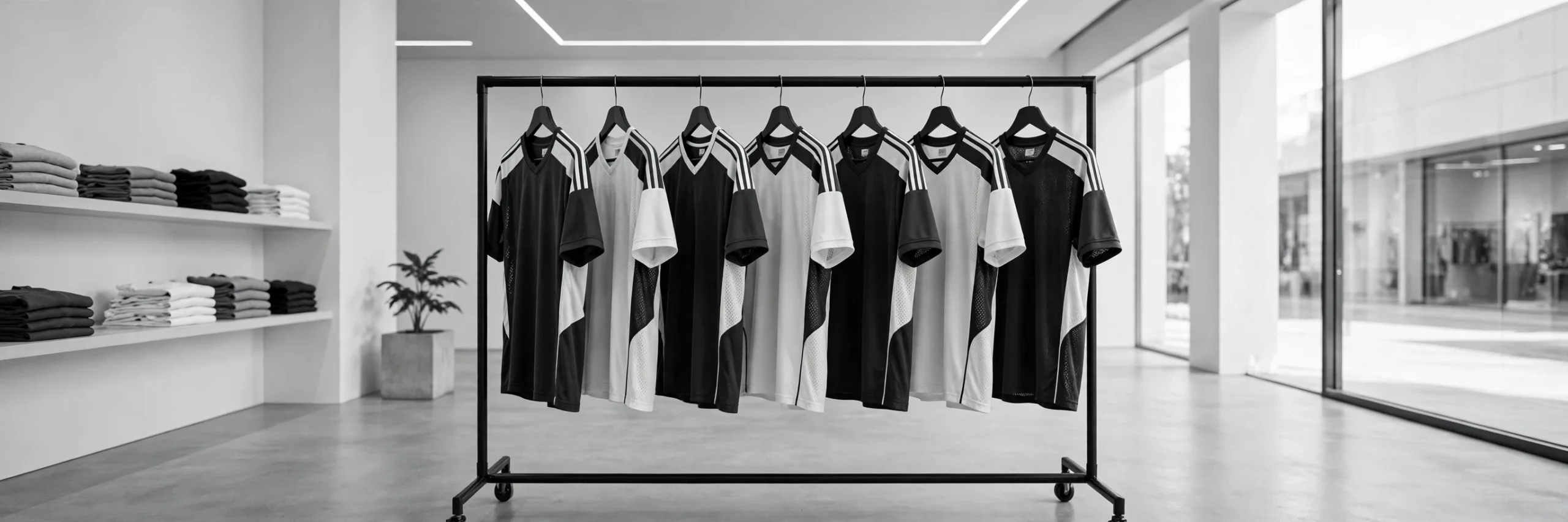
Mesh is an open, perforated knit built for airflow. Used as a full garment it is very light and very breathable — and offers little structure. Used as panels (under the arms, across the upper back, down the sides) it does the ventilation job exactly where a player overheats, while the interlock body keeps the kit’s shape and print quality. “Interlock body with mesh side panels” is a complete, professional spec line you can put in any enquiry.
Moisture-wicking, without the marketing fog
“Moisture-wicking” describes what a fabric does with sweat: moves it away from the skin and spreads it so it dries faster. Two honest points cut through the fog.
First, the fibre does most of the work. Polyester does not absorb water the way cotton does — cotton soaks sweat up, holds it, and gets heavy and cold; that is why a cotton shirt is a poor playing garment however it is marketed. Polyester’s structure lets moisture travel along the fibres and evaporate. A cotton jersey in a quote for a playing kit is a question to ask, not a feature to applaud.
Second, wicking is helped or hurt by construction: a tighter, heavier fabric holds more moisture against the skin than a lighter one with mesh panels, whatever the label says. Judge wicking the practical way — on the physical sample, in play or under a tap-and-dry test — not from a hang-tag word. Our pre-production sample takes 5–7 days and a free sample is available precisely so fabric claims get tested in hand before bulk is sewn.
Fabric by sport: the working table
| Sport / garment | Sensible spec | Why |
|---|---|---|
| Soccer jersey | Interlock polyester, 140–160 GSM; mesh panels optional | The balanced standard: print quality, shape, breathability |
| Basketball jersey | Interlock or mesh-forward build, similar GSM range | Indoor heat makes ventilation the priority |
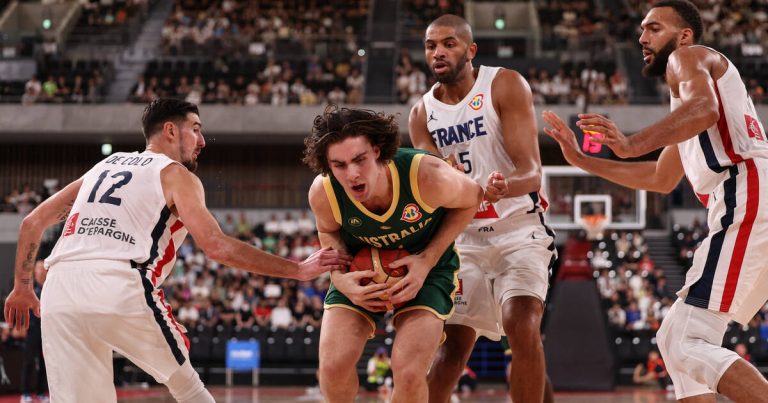
| Rugby jersey | Heavier interlock, reinforced stitching at stress points | The garment is grabbed and pulled for eighty minutes |
| American football jersey | Durable interlock, heavier than soccer spec | Contact, pads underneath, hard laundering |
| Cricket coloured kit | Interlock polyester, 140–160 GSM | Full sublimation carries sponsors, names and numbers |
| Fitness leggings and sets | Stretch blends with spandex content | Fit and recovery matter more than GSM alone |
| Hoodies and tracksuits | Fleece — lightweight, midweight or heavyweight by season | Warmth and hand-feel are the product |
Decoration interacts with fabric choice: sublimation — the method behind most full-colour kits — only works on polyester and polyester-rich fabrics, because the dye bonds into polyester fibre. That single fact settles many fabric arguments before they start. Our decoration comparison covers what each method asks of the fabric underneath it.
How to spec fabric in your enquiry (copy this)
Most buyers write “good quality polyester” and receive whatever the factory defaults to. Write the spec instead. A fabric line that gets you an accurate quote and a matching sample looks like this:
- “Interlock polyester, 150 GSM, sublimation printed, mesh side panels” — a complete soccer jersey spec
- “Heavier interlock with reinforced shoulder and side seams” — the starting spec for a rugby kit
- “Midweight fleece, embroidered chest logo” — a hoodie spec a factory can price exactly
If you are building a full garment specification rather than ordering a standard style, our tech pack guide shows where fabric composition and weight sit in the document (the bill of materials) and why leaving them out makes two factories quote two different products.
Checking fabric on the sample: four tests
- Weigh it against the claim. A sample in hand should feel like its GSM. You do not need a scale and a cutting square — a fabric that arrives noticeably lighter than the agreed range is a conversation to have before bulk, not after.
- Stretch and recover. Pull the fabric across the grain and let go. A jersey knit should recover its shape, not stay bagged. On spandex blends this test is the product.
- Hold it to the light. On light-coloured and white kits, check opacity — what shows through a stretched white jersey in the changing room will show on the field. This is the same discipline fitness buyers call the squat test.
- Wash it once, hard. Colours, print and shape after one aggressive wash predict a season better than any spec sheet. Approve the washed sample, and keep it — it becomes the standard reorders are checked against.
MOQ and pricing, honestly
Fabric choice is priced into tiered quotes: the per-piece price falls as quantity rises, and heavier or blended fabrics cost more per piece than standard interlock at every tier. Minimums are per style — many of our styles start from 100 pieces, some at 500 — and the exact MOQ for your style and fabric is confirmed in the quote. Our MOQ guide explains how minimums interact with fabric buying: fabric is purchased per style and colour, which is where minimums come from.
Frequently asked questions
What is the best fabric for a soccer jersey? Interlock polyester at 140–160 GSM is the standard answer, for practical reasons: it is smooth on both sides, holds its shape, takes sublimation printing evenly and stays comfortable across a full match. Add mesh side or back panels if your team plays in serious heat.
What does GSM actually change on the field? Weight, feel and durability. Lower GSM is cooler and cheaper but thinner and less forgiving; higher GSM feels more substantial and survives contact better but runs hotter and costs more per garment. Match the number to the sport instead of defaulting to the heaviest or the cheapest.
Can we use cotton for a more premium feel? For casual, fan and off-field garments, cotton and cotton blends are fine. For playing kits, cotton absorbs sweat, gets heavy, dries slowly and cannot be sublimation printed — which is why performance teamwear is polyester-based. If the premium hand-feel matters, a polyester-rich blend is the workable compromise.
Is “moisture-wicking” a special finish we pay extra for? On polyester teamwear, moisture management is mostly a property of the fibre and the knit, not a magic coating. Ask what the fabric is and how it is built — interlock weight, mesh placement — rather than paying for a label word. Then test the sample.
Can the same design be made in two different fabrics? Yes, but treat them as two specs: the same artwork on a 150 GSM interlock and on a mesh build will hang and print slightly differently, and each needs its sample approval. Changing fabric after the sample stage restarts sampling.
How do I know the bulk fabric will match the sample? Because the approved sample is the standard: your fabric spec is written into the order, and bulk is checked against the sample you kept. This is one more reason the sample stage exists — at Alisterz it takes 5–7 days and a free sample is available on first orders.
Spec the fabric, then send it
Put a fabric line in your next enquiry — knit, GSM, panels — and the quote you get back will price the garment you actually mean. Send your design, quantities and fabric spec through the Request a Quote page and we will reply with tiered pricing, the MOQ for your style and a sample timeline. To see the kits these specs produce, browse the soccer and football uniforms or the full shop.