Get a Faster, More Accurate Quote: 7 Things to Send Your Manufacturer
Quick answer
The speed of your quote is mostly decided by your first message. Send seven things — the product and design reference, quantities per style and colour, a size breakdown, your logo as a vector file, the personalisation list, your delivery country, and your deadline — and a factory can return a real, itemised price instead of a week of follow-up questions. Send “I need uniforms, how much?” and the honest reply is “it depends,” followed by exactly those seven questions. This post is the checklist; it takes ten minutes to assemble and saves days on every order, with us or with any other manufacturer.
The 7 things, and why each one matters
1. The product — and a design reference
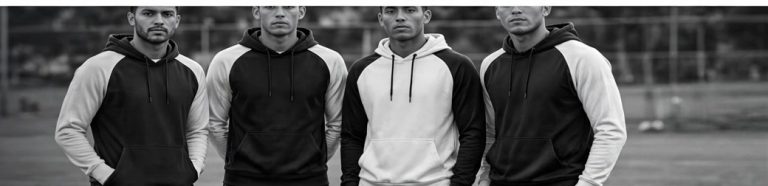
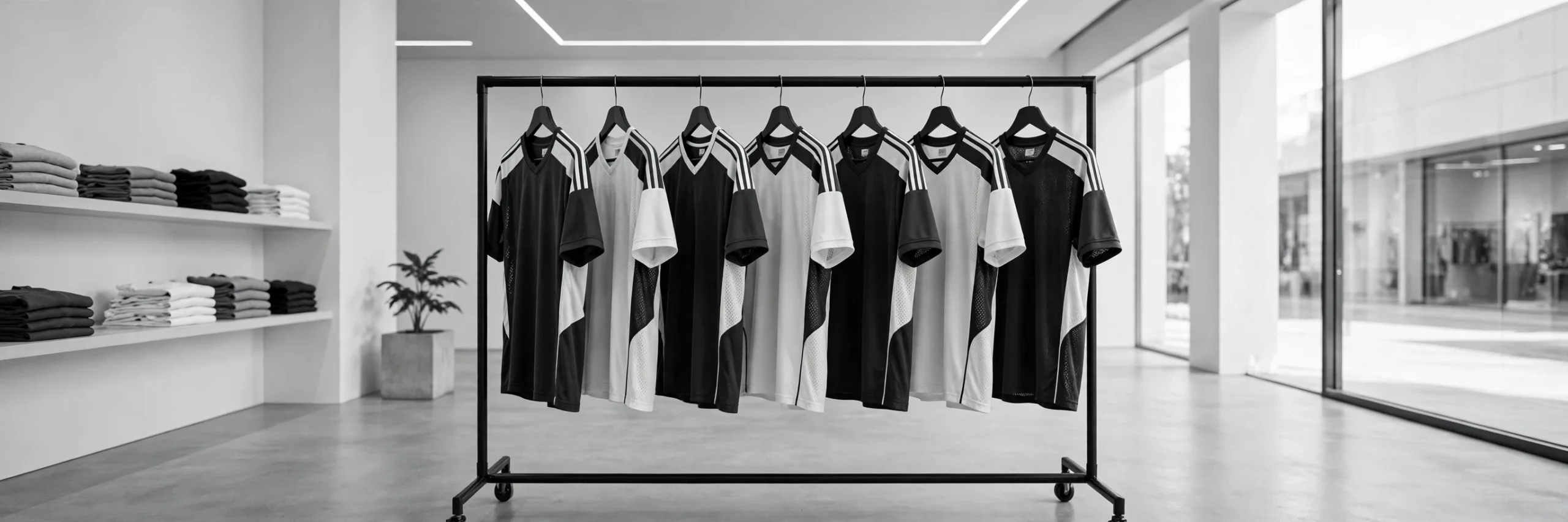
Say what you are ordering (jerseys, full sets, hoodies, tracksuits) and attach a photo, a link, or a sketch of the design you want. A reference settles in seconds what paragraphs of description cannot: cut, colours, panels, where the design sits. If you are starting from one of our existing styles, name it from the shop — “the soccer set, in these colours” is a complete starting point.
2. Quantity per style and per colour
Quantity is the single biggest price input, because pricing is tiered: the per-piece price falls as the run grows. “About 200” produces an approximate quote; “180 navy sets and 60 white sets” produces an exact one — and shows whether you clear the style’s minimum. Many of our styles start from 100 pieces per style, some from 500; our MOQ guide explains how per-style and per-colour minimums work. If your quantity is still flexible, say so and ask for two tiers — that is a normal request.
3. A size breakdown
Factories cut to a list, not to a guess. Send the split — how many of each size, youth and adult mixed if that is your squad — even if it is provisional. The breakdown affects fabric consumption and therefore price, and it is the detail most often missing from first enquiries. If you are still collecting sizes from your roster, our size-chart post covers how to gather them without errors; a provisional split now, confirmed at the mockup stage, keeps the quote moving.
4. Your logo — as a vector file
Vector files (AI, EPS or PDF; a high-resolution PNG works) are what printing and embroidery are set up from. A screenshot of a logo on a shirt forces the factory to redraw it, which costs time and introduces errors. Send the real file with your first message and your mockup is made from the artwork that will actually be produced. If your logo only exists as a low-resolution image, say so up front — knowing early is still faster than discovering it at the artwork stage.
5. The personalisation list
Names, numbers, sponsor logos: send them with the enquiry, not after the quote. Personalisation changes the decoration work and therefore the price — on sublimated kits it prints as part of the design, while stitched methods like tackle twill are priced per letter and digit (our American football post itemises that difference). One spreadsheet — name, number, size per player — is the format every factory wants. Check it once, carefully: production follows the list exactly.
6. Your delivery country
Shipping is part of the real price, and the options depend on where the order is going: DHL or FedEx air (roughly 4–7 days to most destinations) or sea freight for large, planned orders. Naming the destination in your first message means the quote comes back with freight options included, so you are budgeting the landed cost, not discovering it at dispatch.
7. Your deadline
“As soon as possible” is not a date. A real date — a season opener, a tournament, a launch — lets the factory work backwards honestly: sample 5–7 days, your approval time, bulk production 15–20 days, then shipping. If the date is tight, knowing it in message one is the difference between a plan and an apology. Our step-by-step ordering guide lays out where each of those stages sits.
The checklist at a glance
| # | Send this | Without it, the factory must… |
|---|---|---|
| 1 | Product + design reference | Guess the garment and the design |
| 2 | Quantity per style and colour | Quote a range instead of a price |
| 3 | Size breakdown | Estimate fabric usage |
| 4 | Logo as a vector file | Redraw your artwork (slowly, riskily) |
| 5 | Personalisation list | Re-quote when names/numbers appear |
| 6 | Delivery country | Leave freight out of the price |
| 7 | A real deadline | Assume the timeline — usually wrongly |
What a good first message looks like
We need 160 custom soccer sets (jersey + shorts) in our club colours — design photo attached. Logo attached as a PDF. Sizes: youth 40, adult 120 (full breakdown in the attached sheet). Names and numbers on every jersey — roster list attached. Delivery to the USA. First match is in seven weeks; we need the kits in hand one week before.
That message gets a tiered price, a mockup plan and a timeline that works backwards from the match date — in the first reply. For brand and OEM orders the same logic applies with one addition: send your tech pack or reference details, as our tech pack guide and OEM post explain.
What happens after you send it
With the seven items in hand, our flow is: quote with tiers and inclusions stated, digital mockup for approval, pre-production sample in 5–7 days (a free sample is available), bulk production in 15–20 days after you approve the sample, then dispatch by air or sea. The only follow-up questions you should expect are clarifications — a colour reference, a sponsor position — not the basics. If a factory’s reply to a complete enquiry is still vague, that tells you something too; our manufacturer checklist covers how to read it.
Frequently asked questions
I don’t have all seven yet. Should I wait before enquiring? No — send what you have and say what is still coming. A quantity range and a design reference get a useful first quote; the missing items (usually the final roster list) can land before the sample stage, where they are actually locked in.
What if I only have a photo of the uniform I want? That is enough to start. Photos plus quantities, sizes and your logo file produce a real quote for most teamwear styles. Original brand products benefit from a tech pack, but team uniforms are routinely ordered from exactly this starting point.
My logo is only a PNG. Is that a problem? A high-resolution PNG works for most printing and can be converted for embroidery setup. What slows quotes is a tiny, blurred logo or a photo of a logo. Send the best file you have and note if it is the only version — the factory will tell you plainly if it needs redrawing.
Can I get a quote in two quantities to compare? Yes, and you should. Tiered pricing means the per-piece price at 200 and at 500 can differ enough to change how you structure the order. Ask for your quantity and the next tier up as standard practice.
How fast will I get the quote? That depends on the factory — but the variable you control is the completeness of your enquiry. A message with all seven items needs no information round-trip, which is where most quote delays actually live.
Does sending more detail commit me to anything? No. A quote is an offer, not an order. You are simply making the offer accurate — the commitment point is sample approval and order confirmation, not the enquiry.
Send the seven things
Put them in one message through the Request a Quote page and we will come back with tiered pricing, the MOQ for your styles, a mockup plan and a timeline built around your deadline. Browsing first? The styles are in the shop and the men’s range — name the style in your message and you have already sent item one.